









What are easements, really?
Easements are rights attached to a property. Read about the types and what they mean when property changes hands.
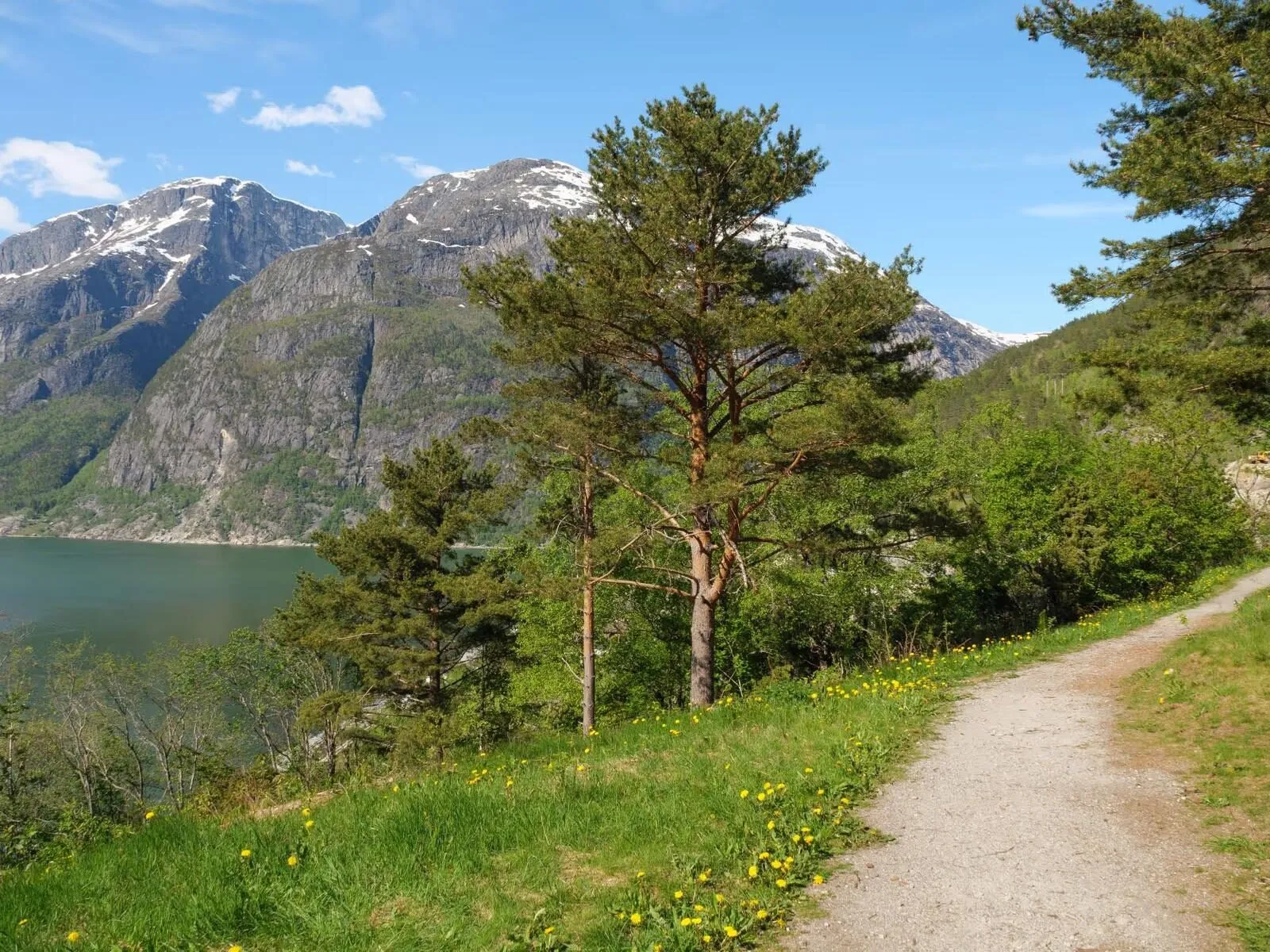
Rights of way, boat moorings and logging rights are examples of easements (servitutter). You can read more about this in this article.
An easement is a limited right of use over another person's property. Examples of easements are a right of way, a boat mooring or a parking space. The easement can belong to a property, for example where one property has a right of way over another property (appurtenant easement, reell servitutt/realservitutt). The rights can also be attached to a person (personal easement, personlig servitutt), for example where a person has a right of way over a particular property.
What an easement means depends on its content. As a rule, an easement is created by agreement, and to understand the content of an easement, this agreement must be interpreted. An easement can either grant a right to a particular use, for example grazing rights, a right of way or logging rights (positive easement), or it can consist of a right to prohibit the owner from using the properties in certain ways, for example a building ban or a restriction to detached housing (villaklausul) (negative easement).
The duration of an easement depends on the agreement in question or the basis of its creation, which is the starting point for interpreting the easement. If the duration is not stated in the agreement, the main rule is that the easement is perpetual. The position is different for a personal easement. A personal easement is tied to a specific person, so the easement will normally lapse when that person dies.
The main rule is that appurtenant easements are perpetual and therefore cannot lapse. Even so, it can be wise to check whether the easement may have lapsed. The question of whether negative easements can lapse has come before the Supreme Court (Høyesterett) several times. Earlier decisions held that easements that conflict with the applicable zoning plan (reguleringsplan) lapse. This has changed, and a specific assessment is now made in each individual case. In these assessments, the court has looked at the purpose of the easement, when it was created and whether its content has been overtaken by time.
If you have an agreement granting a right over another person's property, it should be registered (tinglyst). When the rights are registered, both the parties to the arrangement and everyone around them gain clarity about the relationship between them. If the property changes ownership, it cannot be claimed that the easement has lapsed as a result of the new owners.
Servituttlova (the Easements Act) is the law that applies to issues relating to easements.
Read more here:
Read more
Abbreviations for home and plot area
Confused by BRA, BTA, BOA and P-ROM? Here is an overview of the most common area abbreviations.
Property developmentPhases of property development
An overview of every phase of a property development project, from concept to completion.
RegistersLand Registry (grunnboken)
Grunnboken (the Land Registry) is Norway's register of property rights. Learn what it contains and how to read it.