









Phases of property development
An overview of every phase of a property development project, from concept to completion.
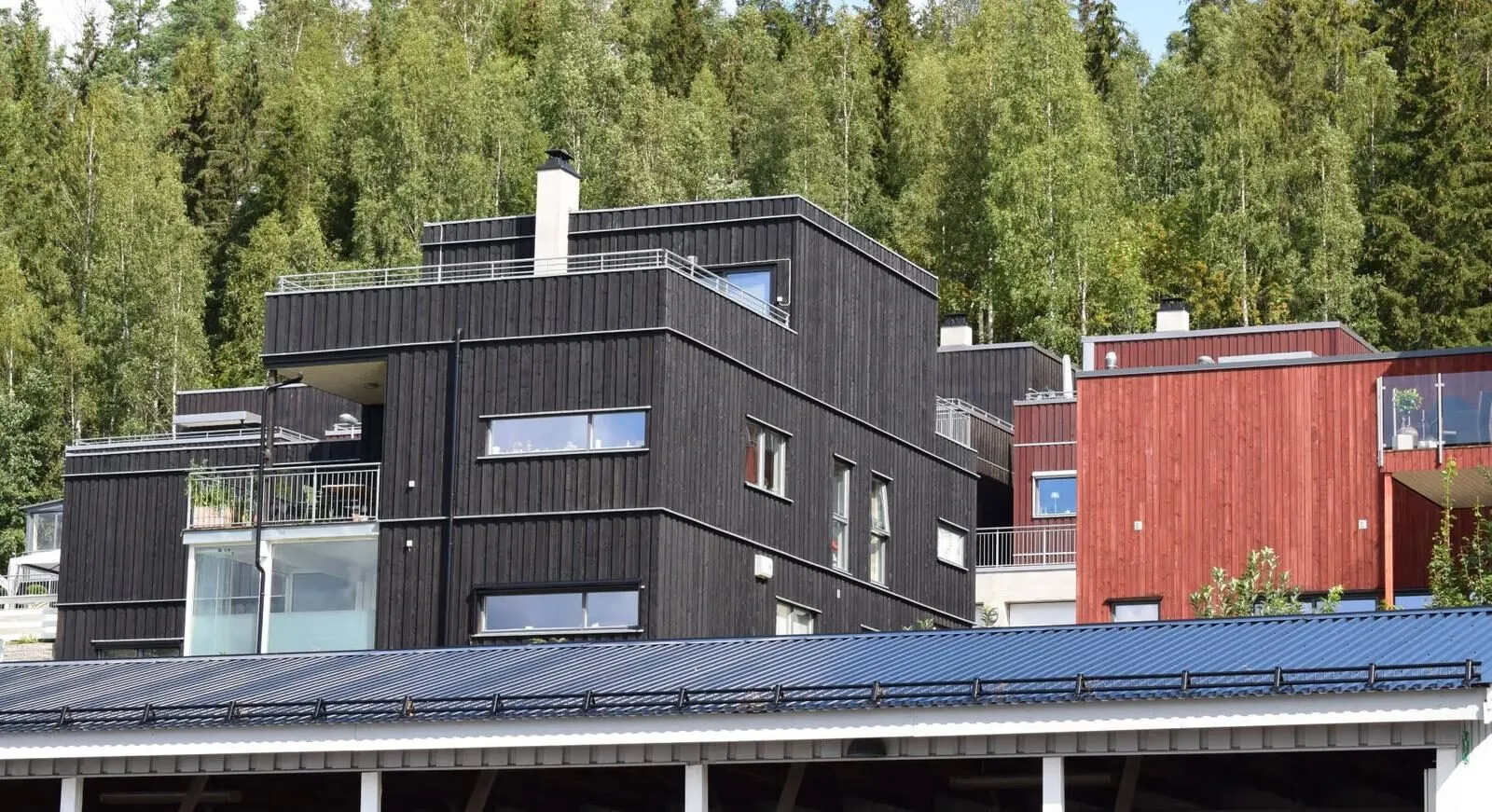
Property development is complicated and involves extensive processes. It can therefore be useful to step back from time to time and look again at structure and method. Here is an article that can serve as a template for the various phases and key analyses of property development.
Like all other extensive processes, property development is usually divided into phases. Here is an example of a summary of the phases of property development.
- Idea (concept, liquidity, site, expertise and the like)
- Site search (for those who do not have a site)
- Feasibility studies, concept
- Calculations (ongoing)
- Strategic planning (internal process)
- Contact with the authorities
- Clarifying the framework
- Negotiations/entering into agreements
- Planning/zoning
- Design and engineering
- Marketing/sales
- Construction
- Completion and management
It is important to be aware that certain phases and parts of the process involve greater opportunities and risks than others. Property developers focus most on the phases where the foundation for profit is laid, and the phases where risk is minimised. In all project delivery, risk and the ability to influence risk, and thus profit and loss, are greatest in the early phases of a project. Placepoint has been developed with this in mind, and we are constantly working to ensure that as much information as possible is available in our solution when a development project is at an early stage.
As well as it being useful to systematise the various phases and be aware of them, it is crucial to understand that property development is about recurring analyses. For the vast majority of property developers, the most central analyses are:
- Site analysis
- Process analysis
- Market analysis
- Concept assessments
It is important to be aware that these analyses cannot be carried out independently of one another. Assessing a site carries a high risk if you have no idea of a potential customer (the market). The same applies to the relationship between concept and customer. If you have not had good processes for uncovering what the customer wants, it is difficult to develop a concept that resonates with the market.
The various phases follow one another, but some of the processes must be repeated continuously throughout the property development in the form of loops. This is one of the clearest characteristics of property development processes, and is therefore absolutely crucial to success.
Read more
Abbreviations for home and plot area
Confused by BRA, BTA, BOA and P-ROM? Here is an overview of the most common area abbreviations.
RegistersLand Registry
Grunnboken (the Land Registry) is Norway's register of property rights. Learn what it contains and how to read it.
Planning and zoningWhat does a municipality plan contain?
A municipality plan governs land use and development. Get a full overview of what the plan contains.